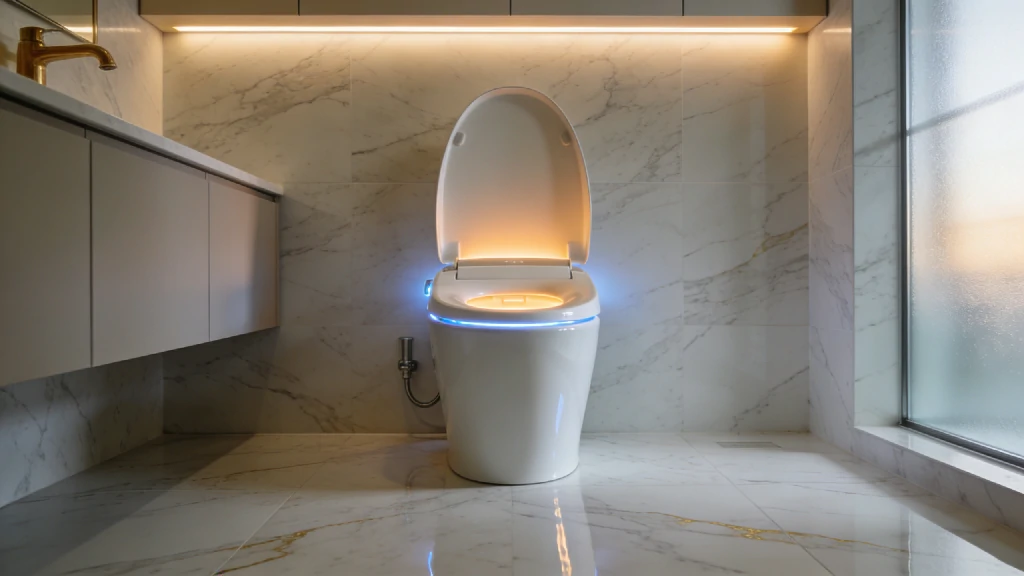
Quick Answer: A smart toilet combines a heated seat, bidet water wash, air dryer, automatic lid, and deodorizer in one bathroom fixture. They come in two forms: bidet seats ($200–$800) that retrofit onto your existing toilet, and full integrated smart toilet units ($1,500–$8,000+) that replace the entire toilet. Nearly all of them require a GFCI electrical outlet within roughly four feet of the toilet — confirming that before you order anything is the single most important step most buyers skip.
The First Week After Installation — Nobody Tells You This Part
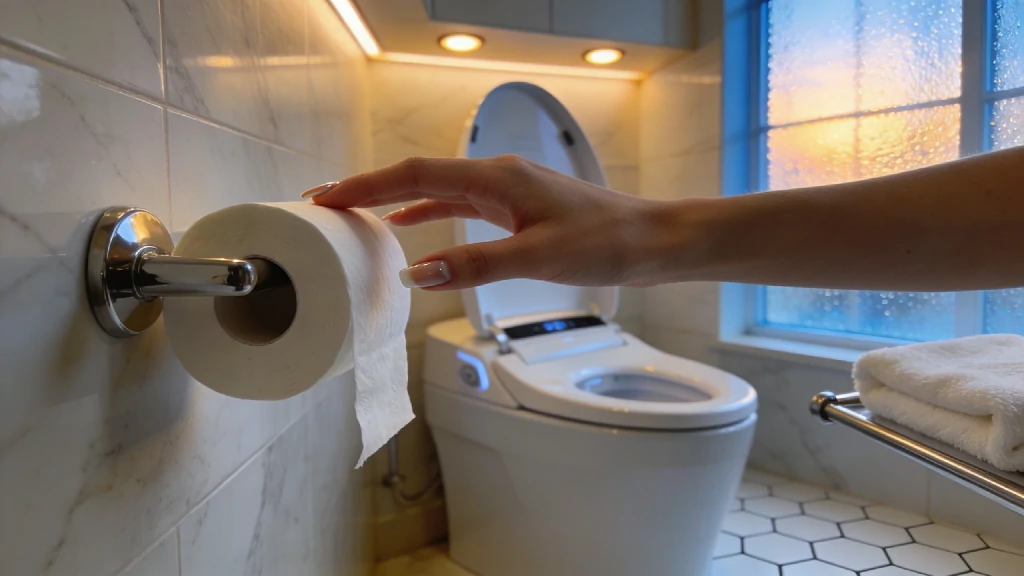
The first morning after installation, I reached for toilet paper out of pure muscle memory. Just grabbed it without thinking. The bidet had already done everything. The paper was unnecessary. I put it back and stood there for a second, slightly surprised at myself.
By day three, the heated seat at 6 AM had stopped feeling like a luxury. It was just Tuesday.
That shift — from “oh wow” to “this is just how mornings work now” — happens faster than you’d expect. And it happens differently for everyone in your household. Kids think it’s the greatest invention in human history, immediately pressing every button available. Teenagers act like they couldn’t care less and then use every single feature. A skeptical partner who called the whole thing excessive will quietly stop complaining somewhere around week two, usually after a cold night when they walk in and the seat is already warm.
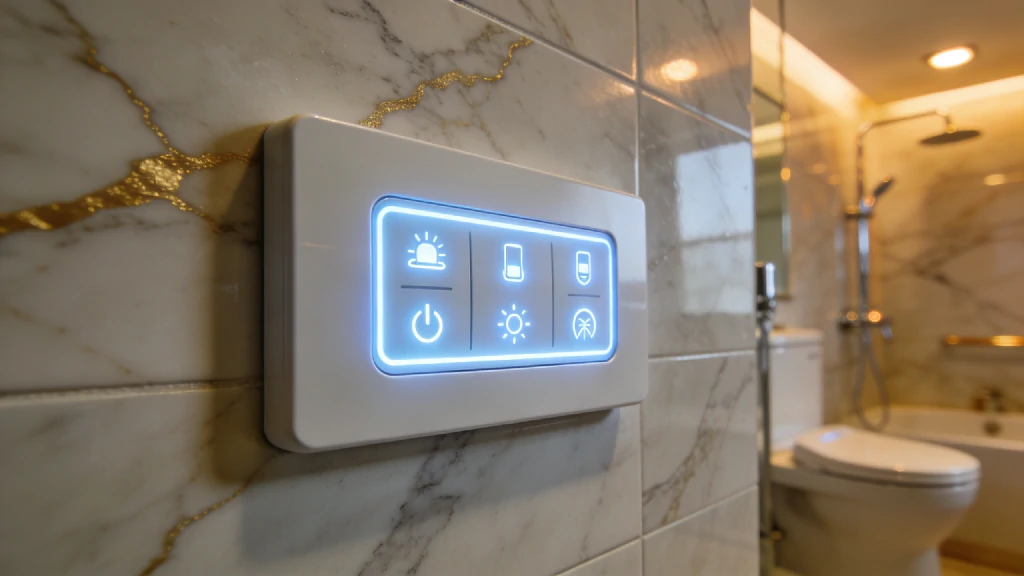
Guests are a different story. Every single one notices. The auto-opening lid gets a reaction. The heated seat gets a reaction. The remote control attached to the wall gets a lot of “wait, what does that do?” That’s pretty much universal.
The adjustment period is real, though. The air dryer takes some getting used to — more on that later. Finding your preferred water temperature and pressure takes a few days of actual experimentation, not just pressing the default and hoping. And that first time the nozzle position is slightly off? You’ll figure out the adjustment quickly.
None of this is a complaint. It’s just what the first week actually looks like, versus the clean, frictionless experience most reviews describe.
What Exactly Is a Smart Toilet? The Two Product Categories Most Buyers Confuse
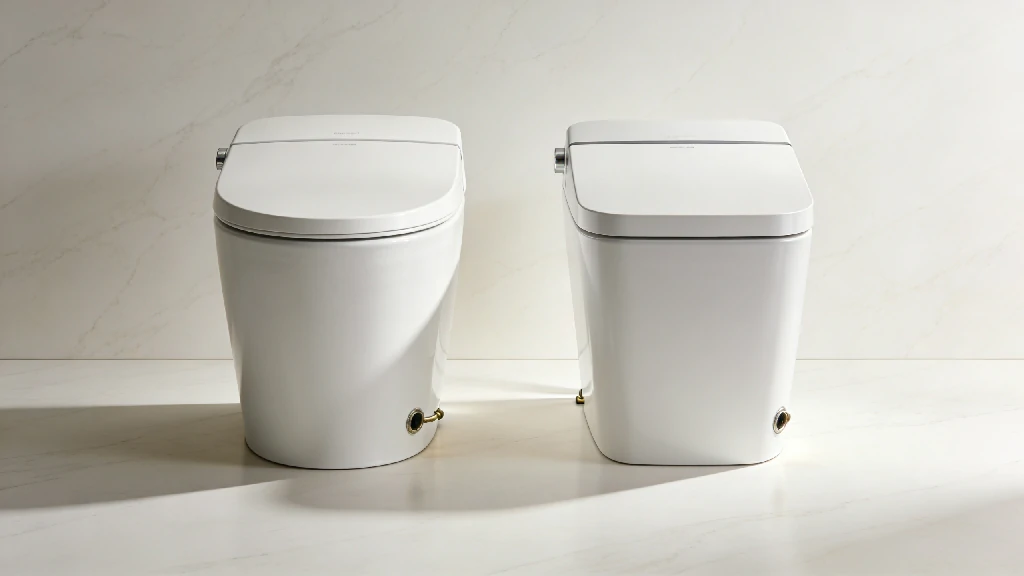
“Smart toilet” covers two completely different products at very different price points. Getting this wrong is the most expensive mistake buyers make — and it happens constantly, because product listings and search results treat them as the same thing when they really aren’t.
Bidet Seat — The Smart Retrofit
A bidet seat replaces only the toilet seat on your existing bowl. The porcelain stays. The plumbing stays. You’re swapping the seat for one that includes electronics: a heating element, water inlet, spray nozzle, dryer, deodorizer, and control panel. Installation takes 30–60 minutes with basic tools. No plumber needed. No structural changes. Just a supply line connection and a plug into a nearby outlet.
This is where most homeowners should start. Bidet seats in the $350–$600 range deliver 90% of the daily-use benefit of a full smart toilet unit at roughly 10–15% of the total cost.
Full Integrated Smart Toilet — The Complete Upgrade
A full smart toilet is exactly that: a complete unit. Bowl, flushing system, integrated electronic seat — all designed together. These typically feature tankless (instant) water heating, one-piece skirted designs, concealed trapways, and premium materials throughout. Installation means removing your existing toilet entirely — floor connection work, water line reconnection, the whole process. A plumber is the right call here.
These make sense during a full bathroom renovation, or when you’re already replacing a toilet and want to go all the way.
Basic Bidet Attachment — The Non-Electronic Entry Point
For around $25–$80, a basic bidet attachment connects to your cold water supply and adds rear wash only — no heat, no dryer, no electronics. It’s not a smart toilet. But it introduces bidet habits with zero electrical requirement and minimal setup. A reasonable first step if you’re genuinely uncertain whether you’ll adapt to the concept.
Smart Toilet Types at a Glance
| Type | Price Range | Installation | Key Features | Best For | Example Brands |
|---|---|---|---|---|---|
| Bidet Seat | $200–$800 | DIY-friendly (30–60 min) | Heated seat, bidet wash, air dry, deodorizer | Most homeowners, first-time buyers | TOTO Washlet, Brondell, BioBidet |
| Full Smart Toilet Unit | $1,500–$8,000+ | Professional recommended | All above + integrated design, tankless heating, auto flush | Premium bathroom renovation | TOTO Neorest, Kohler Veil, Duravit |
| Basic Bidet Attachment | $25–$80 | DIY (15 min) | Cold water wash only | Entry-level; TP reduction goal | Tushy, Luxe Bidet |
Smart Toilet Features Explained — What Each One Actually Does in Real Life
Some features you’ll use every single day without thinking about them. At least one will quietly fade into the background by month two. Knowing which is which before you buy matters — because feature counts on spec sheets don’t reflect daily-use frequency.
Heated Seat — The Feature That Changes Winter Forever
This is the one. If you install a smart toilet and later remove it, the heated seat is what you’ll miss the most acutely. Sitting on a cold toilet seat in January is something you simply won’t be willing to do again once you’ve experienced the alternative for a few months.
Most bidet seats offer adjustable temperature settings — typically three to five levels. The seat heats continuously (most models) or warms when the occupancy sensor detects you’re approaching (eco mode). Eco mode uses noticeably less electricity; it’s worth enabling if your bathroom is cold enough that the seat would need pre-warming.
Worth knowing: the seat heating element draws roughly 0.9–1.4 kWh per month during active seasons. That’s less than $2 on most US and UK utility rates.
Bidet Wash Functions — Rear, Front, Oscillating, Pulsating
Posterior (rear) wash is the standard function — a focused stream, adjustable in pressure and temperature. Feminine (front) wash uses a wider, gentler spray aimed differently. Most users default to one and rarely change.
Oscillating mode moves the nozzle back and forth along a short range — it covers more area with each pass. Pulsating mode varies the water pressure rhythmically — some users prefer this for comfort reasons. Both functions sound more intimidating than they are. After a few days, you’ll know which you prefer and rarely revisit the decision.
One honest note: finding your preferred nozzle position takes experimentation. Most seats have a position adjustment (forward and back). It’s slightly awkward the first few times. That’s just what it is — and it’s why the adjustment matters. A poorly positioned nozzle that you never correct will genuinely diminish the experience.
Hard water note: Nozzle mineral buildup begins immediately in hard water areas. If you’re in the US Southwest, Southern England, parts of Australia, or anywhere with water hardness above 200 mg/L, an inline water filter isn’t optional — it extends nozzle life and maintains spray pressure significantly.
Air Dryer — Honest Assessment
The air dryer works. That’s the honest statement. It dries effectively. But it takes 90 to 120 seconds for a complete dry, and most new users don’t have that kind of patience in the beginning.
Most owners still use a small amount of toilet paper to finish — especially in the first few months. This is completely normal adaptation. It’s not a product failure. Toilet paper use drops significantly (70–80% for most regular users over 3–6 weeks), but the habit doesn’t break overnight and full air-dry reliance requires real commitment to waiting out those 90 seconds.
That’s a genuine trade-off, not a problem that resolves neatly with patience. Some people get there. Others don’t and maintain a light TP routine alongside the bidet. Both outcomes are fine.
Auto-Open/Close Lid — Useful or Novelty?
This one genuinely surprised me. I assumed I’d ignore it within a week. I was wrong. It’s one of those features that you stop noticing consciously and then feel very inconvenienced by when you use anyone else’s bathroom. The motion-sensor lid opens as you approach and closes after you leave. Touchless. It sounds gimmicky until you’ve used it for two weeks.
Deodorizer — Does It Actually Work?
Modestly. Most smart toilets include a catalytic air filter that reduces odors noticeably — but this isn’t a miracle feature. It’s a modest improvement, not a complete elimination. The filter needs replacement every 6–12 months, and a saturated filter does essentially nothing. Don’t expect more than a subtle difference here.
Self-Cleaning Nozzle — Marketing vs. Mechanism
This is the most misused phrase in smart toilet marketing. Worth being direct about.
Expert Note: Self-cleaning nozzles extend and rinse with a water jet before and after each use. They do not remove mineral deposits, biofilm, or long-term buildup. In hard water areas, the distinction between a nozzle that lasts two years and one that lasts five comes down to manual quarterly descaling with a citric acid solution — not the self-clean cycle. Monthly manual cleaning remains necessary regardless of what the spec sheet implies.
App Control and Smart Home Integration — Is Anyone Actually Using This Daily?
I assumed the app would be pointless. Mostly, it is — except for one thing I actually use: preheating the seat before getting up on cold mornings. Set it on a schedule. That’s it. That’s the daily app use case.
Beyond scheduling, Alexa and Google Home integrations exist on select Kohler and TOTO premium models. Voice commands for lid open/close and flush are technically possible. In practice, most owners find the wall-mounted remote or physical panel faster and more intuitive for daily use. If you don’t routinely use apps for your lights or thermostat, you won’t open one for your toilet either.
How Much Does a Smart Toilet Actually Cost? Full Honest Breakdown
The price on the product listing is where the total cost starts — not where it ends. Here’s what the full number actually looks like.
Purchase Price by Category
Bidet seats range from $200 for basic heated-seat-only models up to $800–$900 for premium TOTO Washlet units. The sweet spot for quality versus value sits in the $350–$600 range: you get heated seat, full bidet functions, air dryer, deodorizer, and a reliable nozzle seal life.
Full smart toilet units start around $1,500 for entry models and run to $8,000+ for TOTO Neorest and Kohler Veil flagships. These are meaningful bathroom investments, not impulse purchases.
Installation Costs — DIY vs. Professional
A bidet seat: $0 if you do it yourself, which most people can. Occasionally a handyman at $50–$150 if you’d rather not. A full smart toilet unit swap: $400–$800 for professional installation on a standard floor-mounted toilet; more if there’s tile work, wall-hung mounting, or access complications.
New GFCI outlet installation — the detail almost nobody budgets for upfront — runs $150–$300 from a licensed electrician. More on this in the installation section. Know this number before you start shopping.
Running Costs — Electricity, Water, Filters
Electricity is minimal. Seat heating draws roughly 0.9–1.4 kWh per month in regular use. Add wash and dry functions and the total lands around $12–$25 per year on most utility rates. The eco mode seat heater (sensor-activated rather than continuous) can cut this noticeably during months you’re not using the bathroom in cold conditions.
Water per bidet wash: approximately 0.1–0.5 liters. Negligible on most water bills.
Filter replacement: $15–$40 per year depending on brand and filter type. Hard water areas typically need more frequent replacement — every 4–6 months instead of 12.
Hidden Costs Most Buyers Discover Too Late
The $35 that nobody mentions in the product listing but that you will definitely need: a quality T-valve adapter (also called a Y-valve). This connects your water supply line to both the toilet tank and the bidet inlet. Cheap adapters develop slow drips at the thread connection within months. Spend a few extra dollars here.
You’ll also need PTFE thread tape, a non-return valve (backflow preventer — more on this in installation), and possibly a new supply line if your existing one is too short for the T-valve configuration. Total accessory spend: $40–$80 that no product listing accounts for.
Full Cost Breakdown by Tier
| Tier | Unit Cost | Installation | Annual Running Cost | Year 1 Total | 5-Year Total |
|---|---|---|---|---|---|
| Budget Bidet Seat | $200–$350 | $0 (DIY) | ~$15–$25 | $215–$375 | $275–$500 |
| Mid-Range Bidet Seat | $350–$600 | $0–$150 | ~$20–$35 | $370–$785 | $470–$960 |
| Premium Bidet Seat | $600–$900 | $150–$300 | ~$25–$45 | $775–$1,245 | $900–$1,470 |
| Entry Smart Toilet Unit | $1,500–$2,500 | $400–$800 | ~$40–$65 | $1,940–$3,365 | $2,100–$3,690 |
| Premium Smart Toilet Unit | $3,000–$8,000+ | $600–$1,500+ | ~$50–$90 | $3,650–$9,590 | $3,900–$10,040+ |
Running costs include electricity and annual filter replacement. GFCI outlet installation ($150–$300) not included if your bathroom doesn’t have one.
Smart Toilet Installation — The Part That Surprises Most People
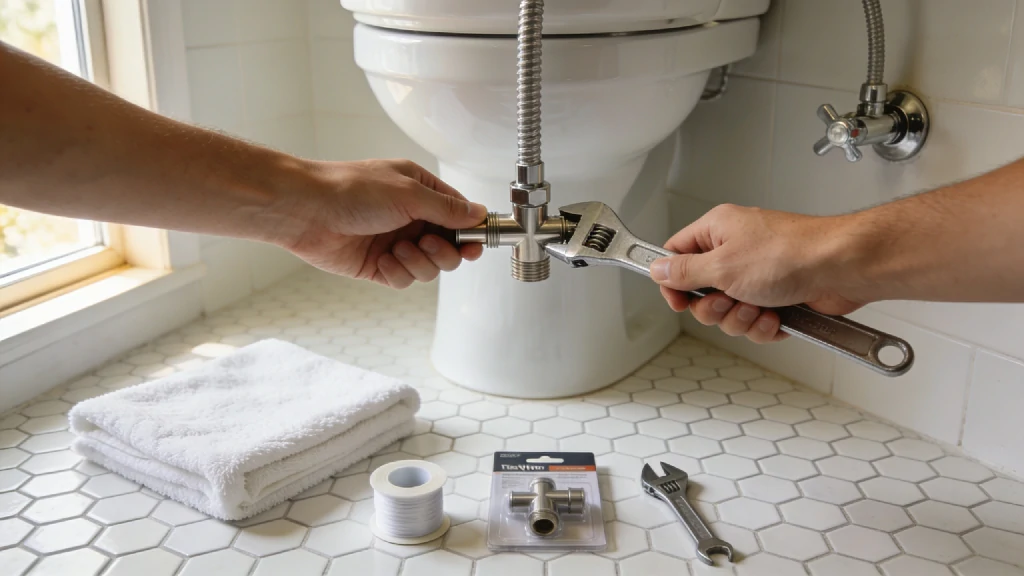
The #1 installation obstacle isn’t plumbing. It’s a missing electrical outlet. Know this before you order anything — ideally before you start comparing product prices.
The Electrical Outlet Requirement — Check This Before Ordering
Every smart toilet and bidet seat needs a GFCI-protected electrical outlet. Not a standard outlet — specifically a GFCI (the kind with TEST and RESET buttons), required by electrical code wherever outlets are near water sources. The outlet needs to be within roughly four feet of the toilet.
Check under the tank, along the wall behind the toilet, and on the nearest adjacent wall. Many bathrooms have one. A surprising number — particularly in older homes — don’t.
Expert Warning: If your bathroom doesn’t have a GFCI outlet within approximately four feet of the toilet, budget $150–$300 for a licensed electrician before comparing product prices. This is the single most common post-purchase frustration in smart toilet ownership. Discovering it after delivery is a very bad day.
UK buyers: WRAS (Water Regulations Advisory Scheme) certification is mandatory for any water-contact fitting connected to the UK mains supply. Before ordering any imported smart toilet model — particularly from Japanese or US brands not specifically configured for UK distribution — confirm WRAS approval is listed on the product. This isn’t optional, and it matters for both compliance and insurance purposes.
Water Pressure and Supply Line Check
Most bidet seats require a minimum water pressure of around 0.06 MPa (roughly 8.7 PSI) and can handle a maximum of 0.75 MPa (approximately 109 PSI). Standard US, UK, Canadian, and Australian home pressure runs 40–80 PSI — well within range for most.
If you’re on a private well system or in an older urban building with known pressure issues, a $15 water pressure gauge from a hardware store takes 30 seconds to test and prevents a $400 purchase that delivers permanently weak, unsatisfying spray.
Also verify your existing supply line can accommodate a T-valve. Most can. Some older flexible supply lines are too short once a T-valve adapter is inserted — worth checking before installation day.
Before You Order Anything — Pre-Installation Checklist
- GFCI electrical outlet exists within ~4 feet of the toilet (check under tank, behind toilet, along walls)
- Outlet is GFCI-protected (plug with TEST/RESET buttons — not a standard outlet)
- Water shut-off valve is accessible and actually turns off (test it — some haven’t moved in years)
- Water pressure is adequate — minimum ~8–10 PSI; test if you’re uncertain
- Toilet seat bolt spacing is standard (most are; some older toilets are not)
- Existing toilet dimensions are compatible with the new seat (measure seat length + width)
- Supply line has room for a T-valve adapter
- Non-return valve / backflow preventer is included or sourced (required by code in many regions — almost never mentioned in installation guides)
- Bathroom floor clearance is adequate for unit placement (full unit replacement only)
- UK buyers: WRAS certification confirmed on the specific model before ordering
DIY Bidet Seat Installation — Step by Step
What you’ll need: Bidet seat kit · Adjustable wrench · T-valve adapter · PTFE tape · Bucket · Towel
- Shut off water at the shut-off valve behind the toilet; flush to empty the tank
- Disconnect the existing supply line from the tank inlet; have a towel and bucket ready for residual water
- Install the T-valve between the shut-off valve and tank inlet; wrap threads with PTFE tape; hand-tighten, then snug with wrench (don’t over-torque — finger-tight plus a half-turn is enough)
- Connect the bidet supply hose from the T-valve to the bidet seat’s inlet port
- Remove the existing toilet seat by unscrewing the plastic nuts under the bowl rim
- Install the mounting plate from the bidet seat kit onto the toilet bowl using the provided hardware
- Slide the bidet seat onto the mounting plate until it clicks into position
- Turn water back on slowly — check every connection for drips; tighten anything that weeps
- Plug into the GFCI outlet and test all functions (seat heat, wash cycles, dry)
- Adjust seat position and water temperature to your preferences; save your settings before guests arrive
Full smart toilet unit installation involves removing the existing toilet from the floor flange entirely. That’s plumber territory for most homeowners — not because it’s impossible to DIY, but because the risk of a failed floor seal, damaged flange, or improper water connection on a high-end unit isn’t worth it.
When You Need a Professional
New GFCI outlet installation: always a licensed electrician. No exceptions. This is live electrical work near water.
Full smart toilet unit replacement: strongly recommended for a professional plumber. Wall-hung smart toilet installation is mandatory professional work — requires wall reinforcement and in-wall plumbing access.
Top Smart Toilet Brands in 2026 — Honest Comparison
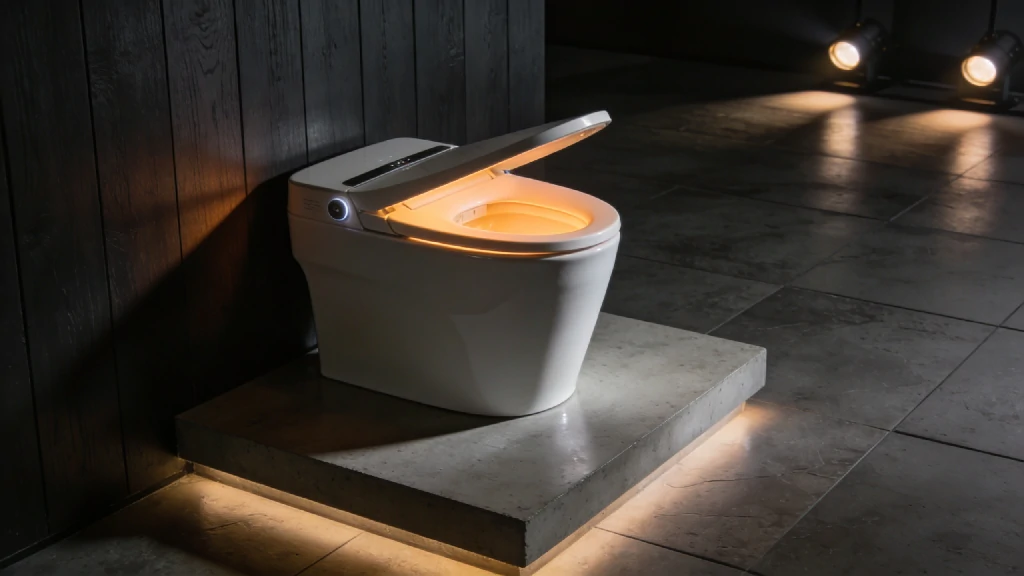
TOTO invented the modern washlet. That still matters. But the gap between TOTO and the competition has narrowed meaningfully over the past few years — in ways that make the $400–$600 decision very different from what it was five years ago.
TOTO — Why It’s Still the Industry Benchmark
TOTO’s dominance isn’t marketing. It’s engineering history. The Washlet line has been refined over decades, and it shows in the nozzle pressure consistency, the seat material quality, and the seal longevity that shows up at year four and five when cheaper alternatives start developing spray deviations or slow drips. TOTO’s Ewater+ electrolyzed water system on premium models adds genuine nozzle hygiene beyond what water rinsing alone achieves.
The C5 and S7 are the sweet spot for most buyers who want genuine TOTO quality without committing to the Neorest price point. The Neorest NX2 is exceptional — and the price makes that clear.
Kohler — Premium U.S. Brand With Smart Home Ecosystem Play
Kohler’s Veil and Serenity models compete directly with TOTO at the premium end and do so convincingly. The PureWarmth app and Alexa integration are the most polished smart home ecosystem integration on the market — if that matters to you. The Novita line offers a solid mid-range option with competitive specs. Warranty support in the US and Canada is strong.
Brondell — Best Value Without Sacrificing Core Quality
The Brondell Swash 1400 consistently wins on value-per-feature comparisons — and it earns that reputation. The stainless steel nozzle is a genuine durability advantage over plastic nozzles at comparable prices. The three-year warranty is longer than most competitors. No app integration, no smart home connectivity — but if you want a reliable daily-driver bidet seat at a sensible price, Brondell is the honest recommendation.
BioBidet — Strong Specs at Mid-Range Prices
The Discovery DLS and Supreme models pack feature-dense spec sheets at prices that undercut TOTO and Kohler by 30–50%. Build quality is solid at mid-range. The primary trade-off: reservoir heating (not tankless), which means a brief cold-water gap before the warm spray settles on budget models. For most users, this becomes background noise. For cold climates, it’s a noticeable daily experience.
Budget Options — What’s Worth Considering vs. What to Skip
At under $250, build quality variance is significant. Some budget brands deliver surprisingly solid basic performance for 12–18 months. Others fail at the nozzle seal within a year. The honest guidance: if you’re testing the concept, a $25–$80 basic non-electric bidet attachment tells you everything you need to know about whether you’ll adapt to bidet use — without the electrical requirement or the financial risk.
Brand Feature Comparison (2026)
| Brand | Key Model | Price Range | App Control | Seat Heating | Air Dry | Auto Flush | Warranty | Best For |
|---|---|---|---|---|---|---|---|---|
| TOTO | Washlet C5 / Neorest | $500–$8,000+ | Select models | Tankless (premium) / Reservoir | Yes | Yes (Neorest) | 1–3 yr | Durability, long-term reliability |
| Kohler | Veil / Novita | $800–$6,000+ | Yes (PureWarmth) | Tankless | Yes | Yes | 1 yr | Smart home integration |
| Brondell | Swash 1400 | $350–$650 | No | Reservoir | Yes | No | 3 yr | Best value without compromise |
| BioBidet | Discovery DLS | $250–$600 | No | Reservoir | Yes | No | 3 yr | Feature-dense mid-range |
| American Standard | Advanced Clean | $400–$750 | No | Reservoir | Yes | No | 1 yr | Brand-familiar US buyers |
Maintenance — The Long Game Most Buyers Don’t Research Enough
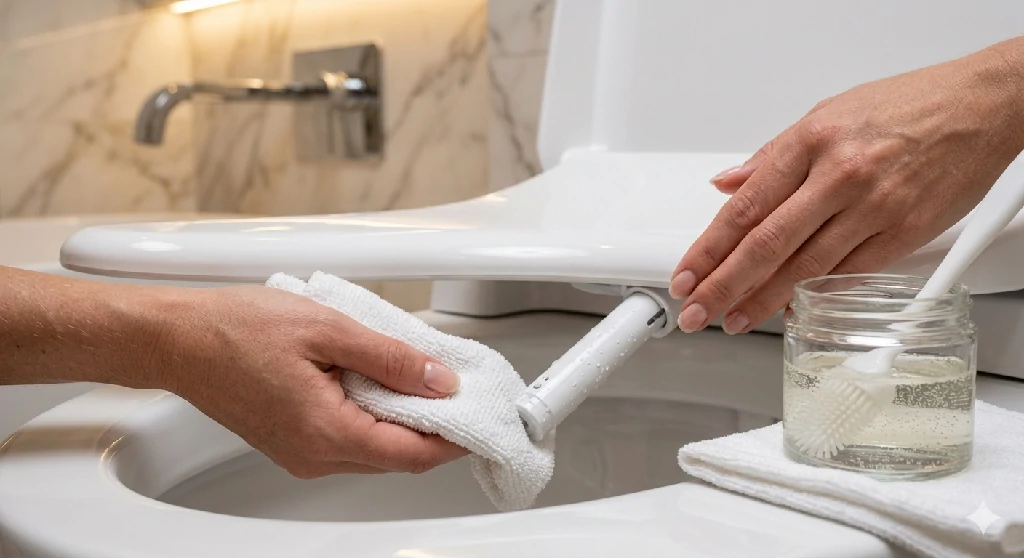
Month one is easy. Month four is when your water hardness introduces itself.
That’s not an exaggeration. In hard water areas — US Southwest, parts of Texas, Southeast England, sections of Queensland — the nozzle spray pressure that felt strong on day one will have noticeably softened by the time you’re thinking about it. Not dramatically. But enough that you’ll notice. And the cause is mineral deposits beginning to narrow the nozzle aperture.
Most smart toilet owners don’t find this in reviews. They find it by experiencing it.
Weekly Tasks — 5 Minutes Keeps Problems Away
A quick wipe of exterior surfaces with a damp cloth and mild soap is all that’s needed weekly. No abrasives. Nothing with bleach near the nozzle area. The porcelain of your existing toilet still needs its usual cleaning, but the seat unit itself is simple to maintain if you don’t let buildup accumulate.
Monthly Tasks Most Owners Skip
The manual nozzle cleaning. This is the one maintenance step that separates a nozzle that lasts five years from one that underperforms in two.
Most seats have a nozzle extension button or a cleaning mode that extends the nozzle into a cleaning position. Gently wipe the nozzle tip with a soft damp cloth or a soft-bristle toothbrush. That’s it. Five minutes. Almost no one does it consistently until something goes wrong.
Hard Water — The Silent Threat to Your Nozzle
If you’re in a hard water area, quarterly citric acid descaling is non-negotiable. Not a suggestion. A $12 bottle of citric acid cleaning solution, applied to the extended nozzle and left for 10 minutes per the manufacturer’s guidance, prevents the mineral calcification that causes spray deviation and pressure loss.
Check your local water hardness if you’re uncertain — the USGS water quality database covers most US areas, and regional water authority sites typically publish hardness data. Anything above 150–200 mg/L puts you in the regular maintenance tier. Above 300 mg/L, add an inline water filter to the supply line.
Safety Note: Never use bleach, ammonia, or abrasive cleaners near the nozzle mechanism. Citric acid solution or a manufacturer-approved descaler only. Harsh chemicals degrade the nozzle seal and can void your warranty faster than any normal wear issue.
Year 2 and Beyond — Honest Long-Term Expectations
The first year is largely maintenance-free. Year two is when you first encounter a minor annoyance — remote battery dying at an inconvenient moment, nozzle position resetting after a power flicker, a slow drip at the T-valve connection that needs a half-turn tightening. None of these are failures. They’re normal long-term ownership.
At years 3–5, nozzle seal wear becomes a real variable. Premium brands (TOTO, Brondell) hold up noticeably better than budget alternatives here. Professional service every 3–5 years — valve integrity check, nozzle assembly inspection, electronic function test — is reasonable preventive maintenance on any unit you’re keeping long-term.
Maintenance Schedule
| Task | Frequency | Time | DIY or Pro | Notes |
|---|---|---|---|---|
| Wipe exterior surfaces | Weekly | 2 min | DIY | Mild soap + damp cloth; no abrasives |
| Manual nozzle extension + wipe | Monthly | 5 min | DIY | Soft cloth or brush; critical in hard water areas |
| Citric acid nozzle descale | Quarterly | 10–15 min | DIY | Prevents calcification; essential in hard water |
| Inspect supply line + T-valve | Quarterly | 2 min | DIY | Look for any dripping at connections |
| Replace water filter | Every 6–12 months | 5 min | DIY | Hard water = more frequent; check manufacturer spec |
| Descale water inlet filter | Annually | 10 min | DIY | More often in hard water zones |
| Inspect nozzle seal for wear | Annually | 5 min | DIY / Pro | Watch for spray deviation or pressure change |
| Professional service check | Every 3–5 years | 1–2 hr | Pro | Nozzle assembly, valve integrity, electronics |
Common Smart Toilet Problems and How to Fix Them
Most smart toilet problems fall into three categories: nozzle issues, remote or connectivity issues, and lid mechanism quirks. Most are fixable at home in under ten minutes with the right starting point.
| Problem | Likely Cause | DIY Fix | When to Call a Pro |
|---|---|---|---|
| Weak or erratic spray | Clogged nozzle / low pressure / clogged filter | Clean nozzle, replace filter, test water pressure | Persistent after cleaning + filter change |
| Seat not heating | Energy-saving mode / power issue | Check settings, reset, verify outlet working | If reset fails; possible element failure |
| Lid not auto-opening | Sensor blocked or out of range | Clean sensor lens, check for obstructions | If sensor test fails after cleaning |
| Remote not responding | Dead batteries / lost pairing | Replace batteries, re-pair remote | If re-pairing repeatedly fails |
| Slow drip at supply line | Loose T-valve thread | Hand-tighten; add fresh PTFE tape if needed | If tightening doesn’t stop it |
| Nozzle not retracting | Debris or position calibration off | Run self-clean cycle; manual reset | If mechanical obstruction is present |
| App not connecting | Wrong Wi-Fi band / firmware | Reconnect on 2.4GHz; check firmware update | Persistent after firmware update |
| Unusual odors | Deodorizer filter saturated | Replace deodorizer cartridge | N/A — straightforward DIY fix |
| Water temp inconsistent | Reservoir heat lag (normal) | Expected on reservoir models | Persistent on tankless = service call |
When to Contact Manufacturer Support vs. a Local Plumber
Electrical issues — seat not heating, no power to functions — start with manufacturer support. These are often firmware or settings issues rather than hardware failures, and manufacturers have troubleshooting trees that resolve them in 15 minutes.
Water connection issues — drips, pressure problems, supply line concerns — are plumber territory. Don’t attempt to self-service a significant water leak at a T-valve connection; the valve can fail completely if over-tightened by someone who isn’t confident.
Part availability at year 3+ is worth researching before you buy. Major brands (TOTO, Kohler, Brondell) carry replacement nozzle assemblies and remote units for their current model lines. Some budget brands do not, which makes a failed nozzle at year two an expensive lesson.
Smart Toilet Myths vs. Reality — What the Marketing Gets Wrong
“Self-cleaning” is the most misused phrase in smart toilet marketing. It’s not the only one.
| Myth | Reality |
|---|---|
| ”Self-cleaning means the toilet cleans itself” | Self-cleaning nozzles rinse with a water jet before and after each use. Mineral deposits, biofilm, and long-term buildup are not affected. Monthly manual cleaning and quarterly descaling are still required. |
| ”Smart toilets save massive amounts of water” | Bidet wash uses roughly 0.1–0.5 liters per cycle. The environmental benefit is real but indirect — you’re primarily saving toilet paper manufacturing resources, not water consumption. |
| ”You’ll never need toilet paper again” | Most users maintain light TP use for finishing, especially early on. Full air-dry reliance requires patience — the dryer takes 90–120 seconds. Most owners reduce TP by 70–80%, not 100%. |
| ”All smart toilets work roughly the same way” | Tankless (instant) heaters and reservoir heaters are meaningfully different daily experiences. Reservoir models have a cold-water gap before the warm spray settles. In cold climates, this is a noticeable difference every single morning. |
| ”They’re hard for guests to figure out” | Most have wall remotes with clear icons. Several models have a guest mode with simplified settings. The learning curve for a first-time user is genuinely minimal — most figure it out within 60 seconds. |
| ”Smart toilets are automatically more hygienic” | They offer superior hygiene potential — but only with consistent nozzle maintenance. A neglected nozzle can harbor bacteria. “Smarter” does not mean “self-maintaining.” |
Is a Smart Toilet Actually Worth It? Honest Verdict
Short answer: yes — but which type you choose matters more than which brand, and your bathroom’s electrical situation dictates your options more than your budget does.
The heated seat alone is enough to change your daily experience. That’s not hyperbole. It’s the feature that every single owner mentions first when asked what surprised them most about long-term use. Everything else — the bidet, the dryer, the lid — becomes background infrastructure that you stop thinking about while quietly not living without.
The toilet paper math is real but modest. An average US household spends roughly $180 per year on toilet paper. A 75% reduction saves around $135 annually — a legitimate long-term return on a mid-range bidet seat, though the payback period on a premium full unit is 5–8+ years of toilet paper savings alone. That’s not the primary value proposition. Daily comfort is.
Pros and Cons
| Pros | Cons |
|---|---|
| Heated seat changes the cold-morning bathroom experience permanently | Requires GFCI outlet — may need electrician ($150–$300) |
| Bidet wash reduces toilet paper use by 70–80% for most users | Air dryer works but takes 90–120 sec — many users combine with light TP |
| Improved hygiene vs. toilet paper alone | Hard water areas need filter attachment + more frequent nozzle cleaning |
| Self-cleaning features reduce cleaning frequency (not eliminate) | Budget models have reservoir heaters — brief cold-water gap before warm spray |
| Night light genuinely useful for overnight bathroom trips | ”Self-cleaning” is widely misused — manual cleaning still required |
| Long-term toilet paper cost savings — real, if modest | Premium units have long payback periods on TP savings alone |
| Guests consistently react positively — a genuine home conversation piece | Some users find guest controls confusing without orientation |
| Adds bathroom value in home sales — increasingly expected in premium homes | App-connected models raise data privacy considerations worth reviewing |
| Toilet still flushes manually during power outages (gravity models) | All electronic features fail during power outages |
Who Should Absolutely Get One
Anyone who has used a smart toilet at a hotel or friend’s home and can’t un-know it. Anyone upgrading a main bathroom in a home they plan to stay in for 3+ years. Anyone with mobility considerations that make traditional toilet paper use difficult. Anyone who runs cold in the morning.
A mid-range bidet seat ($350–$600) is the right starting point for almost everyone. Try it. You’ll know within two weeks whether you want to go further.
Who Might Want to Pause and Think
If your bathroom genuinely lacks a GFCI outlet and you’re not comfortable with the electrician cost, start with a basic non-electric bidet attachment first. Test the habit for free. Add the electronics later if you want them.
If you’re renting, check your lease. Most landlords are fine with a bidet seat since installation is reversible, but confirm before ordering.
Which Smart Toilet Setup Is Right for Your Home?
Your bathroom determines your options more than your budget does. Here’s the fastest way to figure out your starting point.
START: Does your bathroom have a GFCI outlet within ~4 feet of the toilet?

NO → Budget $150–$300 for a licensed electrician first. Return here after.
YES → Continue.

BUDGET UNDER $400?
  → Mid-range bidet seat (Brondell Swash 1400, BioBidet Supreme)

BUDGET $400–$800?
  Want best reliability and seal longevity → TOTO Washlet C5
  Want maximum features per dollar → Brondell Swash 1400 / Kohler Novita

BUDGET $800–$2,000?
  Comfortable with a plumber for full toilet swap → Entry smart toilet units
  Want to keep your existing toilet → Premium bidet seat (TOTO C5/S7)

BUDGET $2,000+?
  Full bathroom renovation underway → Full integrated smart toilet unit
  Upgrading existing bathroom selectively → TOTO Neorest / Kohler Veil
Frequently Asked Questions
What is a smart toilet and how does it work?
A smart toilet is a toilet that includes electronic features — heated seat, bidet water jets, warm air dryer, auto-opening lid, and deodorizer. Bidet seats retrofit onto standard toilets; full smart toilet units are complete replacements. All require a nearby GFCI electrical outlet to function.
How much does a smart toilet cost to install?
Bidet seats cost $200–$800 for the unit, with DIY installation in 30–60 minutes. Full smart toilet units cost $1,500–$8,000+ with $400–$1,500 in professional installation. If your bathroom needs a GFCI outlet added, budget an additional $150–$300 for a licensed electrician.
Do smart toilets need electricity?
Yes. All smart toilets and bidet seats require a GFCI-protected electrical outlet within approximately four feet of the toilet. Without one, no electronic features will function. Confirming this outlet exists is the most important pre-purchase check.
Are smart toilets hygienic?
Yes — with proper maintenance. Bidet wash offers superior cleaning versus toilet paper alone. But “self-cleaning” nozzles still require regular manual cleaning to prevent mineral buildup and biofilm. Consistent nozzle maintenance is what makes the hygiene claim genuinely true.
Can I install a smart toilet myself?
Bidet seats: yes, DIY in 30–60 minutes with basic tools. Full smart toilet units: plumber recommended due to toilet removal and floor connection work. New GFCI outlet installation: always requires a licensed electrician.
This guide covers bidet seats and integrated smart toilet units for US, UK, Canadian, and Australian markets. Water hardness, electrical code, and water regulation requirements vary by region — confirm local compliance requirements before installation.
.webp)