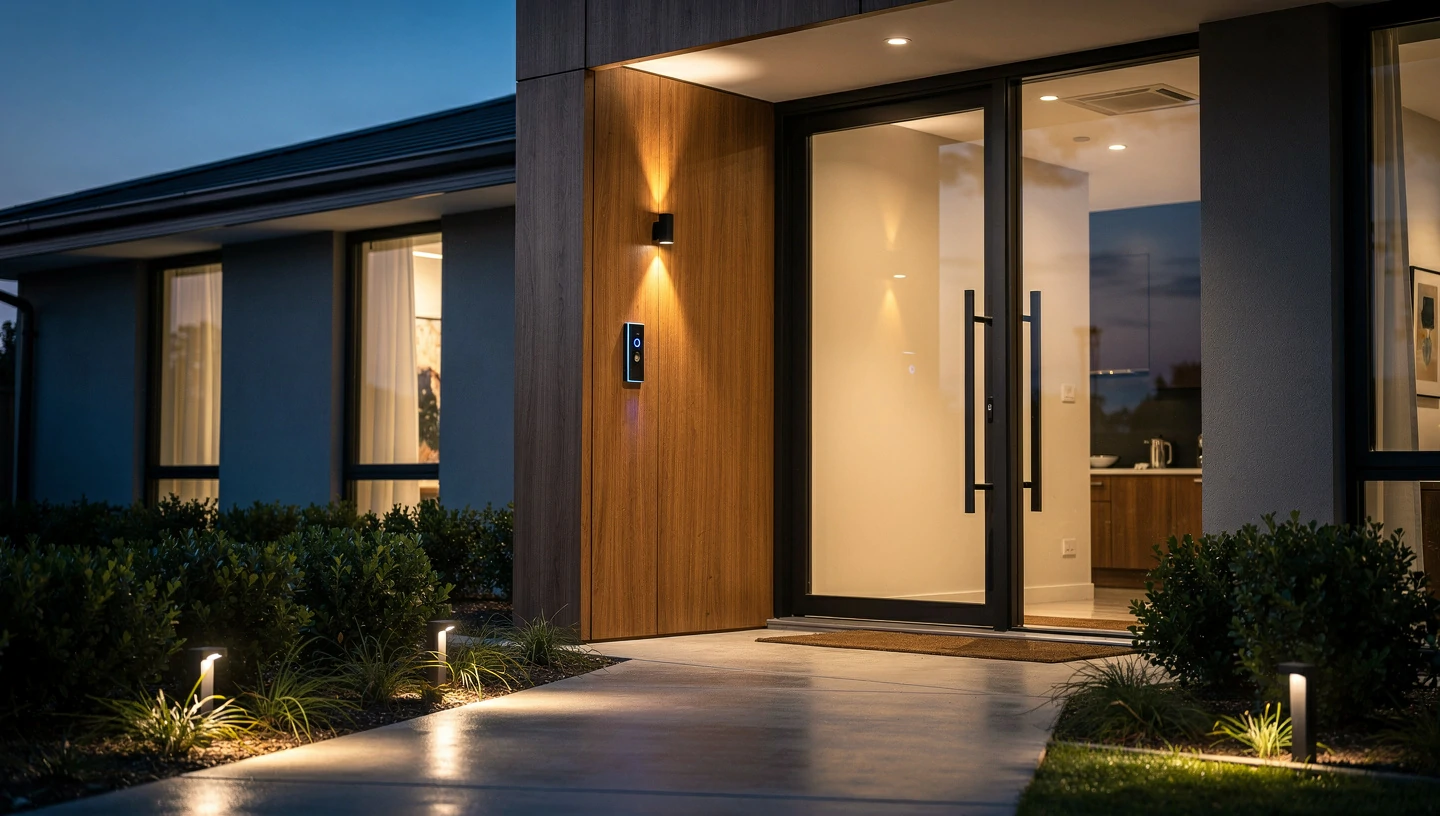
Over 30% of burglars enter a property through an entirely unlocked door or window. This means that the single most effective home security measure you can take today costs absolutely nothing but a moment of your time.
While high-end smart home automation ecosystems and professional monitoring services offer peace of mind, protecting your household shouldn’t require a second mortgage. The emotional toll of a break-in is massive, but the financial cost of preventing one doesn’t have to be.
This guide was built using insights from real-world law enforcement security audits, former burglary statistics, and rigorous testing of budget-friendly smart home tech. You can easily harden your home’s perimeter, secure your entry points, and outsmart opportunistic intruders on a shoestring budget.
Strengthen Your First Line of Defense: Doors and Windows
Many homeowners assume that a locked door is a secure door. Unfortunately, standard construction practices prioritize speed over security, leaving your primary entry points highly vulnerable to physical force. Fortunately, fixing these structural weak points is incredibly affordable.
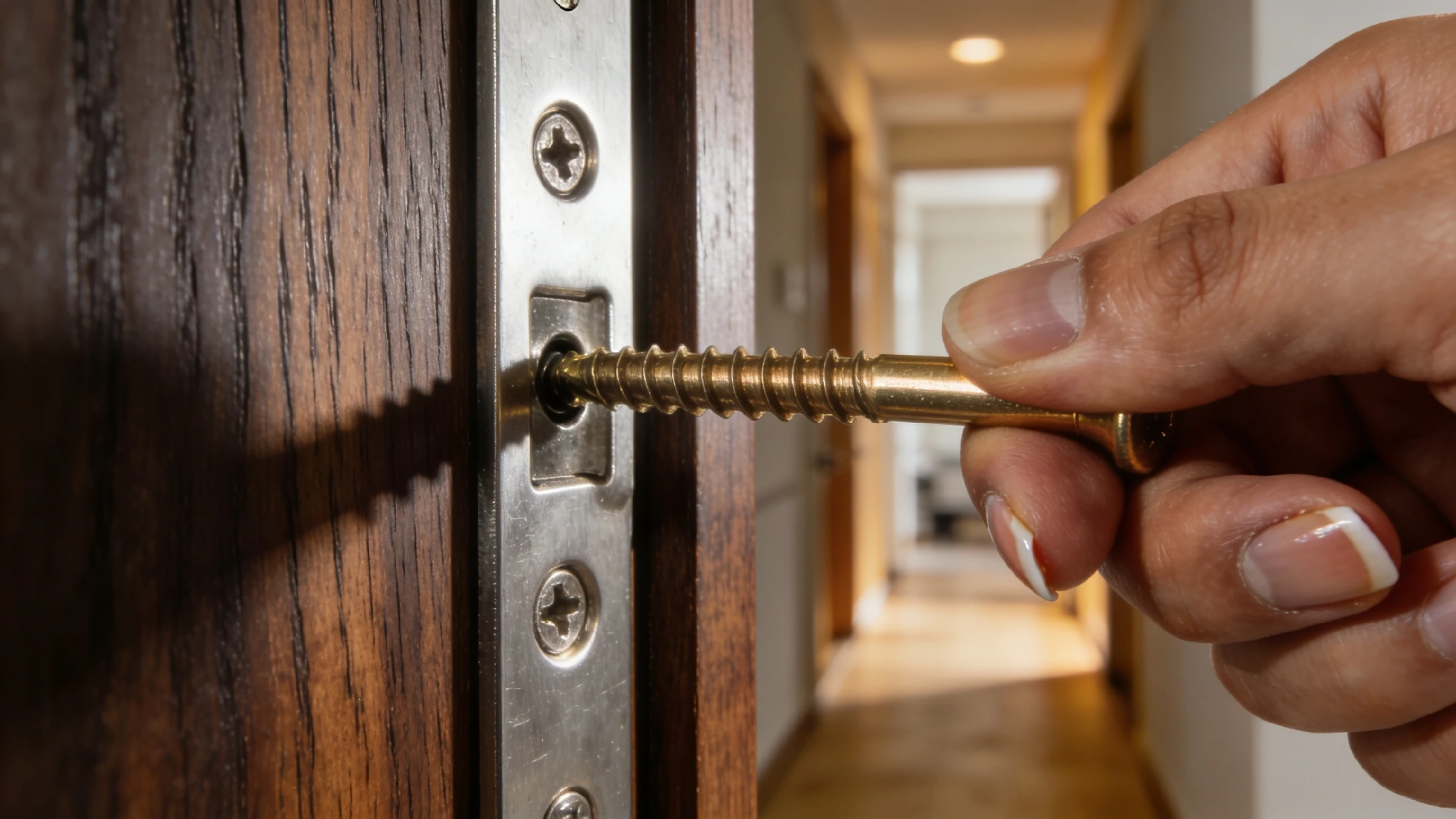
Upgrade to 3-Inch Strike Plate Screws (Cost: < $5)
Take a look at the strike plate on your front door—the metal piece attached to the door frame where the deadbolt latches. If your home is like most, that plate is held in place by flimsy half-inch screws that only penetrate the flimsy decorative wood molding. A single solid kick can instantly splinter the frame and open the door.
By replacing those factory screws with 3-inch heavy-duty wood screws, you anchor the strike plate deep into the structural wall studs behind the frame. This simple DIY home protection upgrade makes the door exponentially harder to kick open, converting a five-second breach into a noisy, time-consuming struggle.
Reinforce Sliding Glass Doors with Blocking Bars (Cost: < $10)
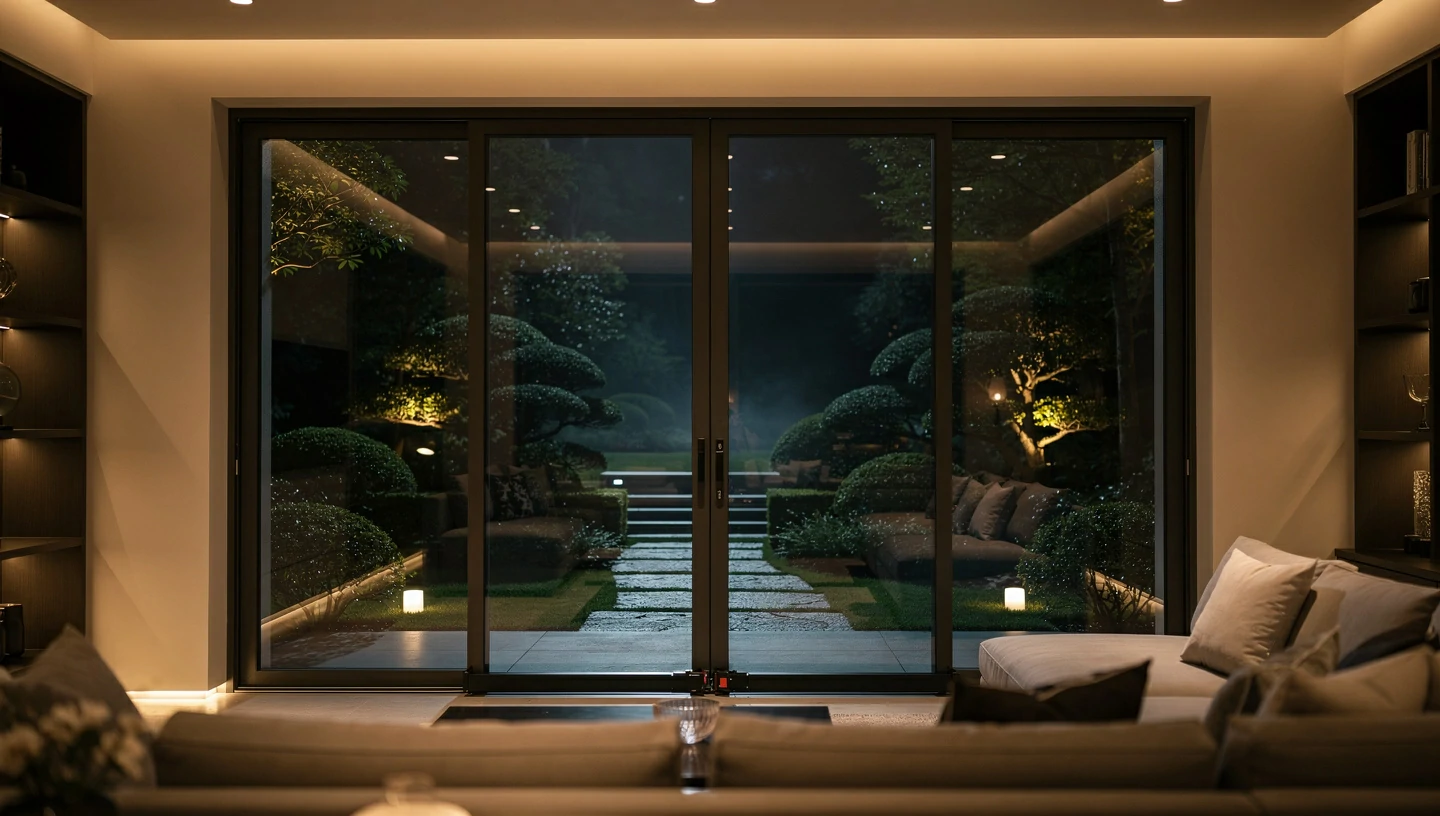
Sliding glass doors are a favorite target for intruders because their standard latches are notoriously easy to bypass or pop off their tracks. You don’t need an expensive secondary lock to secure them.
Dropping a simple wooden dowel or a heavy-duty plastic blocking bar directly into the bottom track prevents the door from sliding open, even if the latch is picked. For an even cleaner look, adjustable tension bars specifically built for patios are widely available online for under ten dollars.
Install Window Stops and Security Pins (Cost: < $20)
Ground-floor windows are inherently vulnerable, especially during warmer months when you might want to leave them cracked for ventilation. Standard window latches offer minimal resistance to a pry bar.
Installing inexpensive window stops or security pins restricts how far a window can be raised. By setting these stops to allow only a 4-to-6-inch opening, you can safely enjoy fresh air without leaving a gap large enough for a person to crawl through. For older wooden windows, simply drilling a hole through the frame and inserting a sturdy metal pin achieves the exact same result for pennies.
The 5-Minute Entry Point Audit
Run through this quick checklist right before bed or prior to leaving for an extended trip to ensure your physical barriers are functioning perfectly:
- Deadbolt Check: Ensure the deadbolt fully extends into the door frame strike plate rather than stopping halfway.
- Window Latches: Verify that every ground-floor window is completely latched and that any secondary window stops are firmly engaged.
- Garage Pass-Through: Test the interior door leading from your garage to your living space. It should be solid-core and equipped with a heavy-duty lock.
- Sliding Track Clear: Check that your patio door dowel or blocking bar is seated firmly in the track with zero wiggle room.
- Hinge Inspection: Examine exterior doors to ensure your hinge pins are either internal or tamper-resistant so they cannot be easily tapped out from the outside.
Smart Tech on a Budget: 2026 Automation Hacks
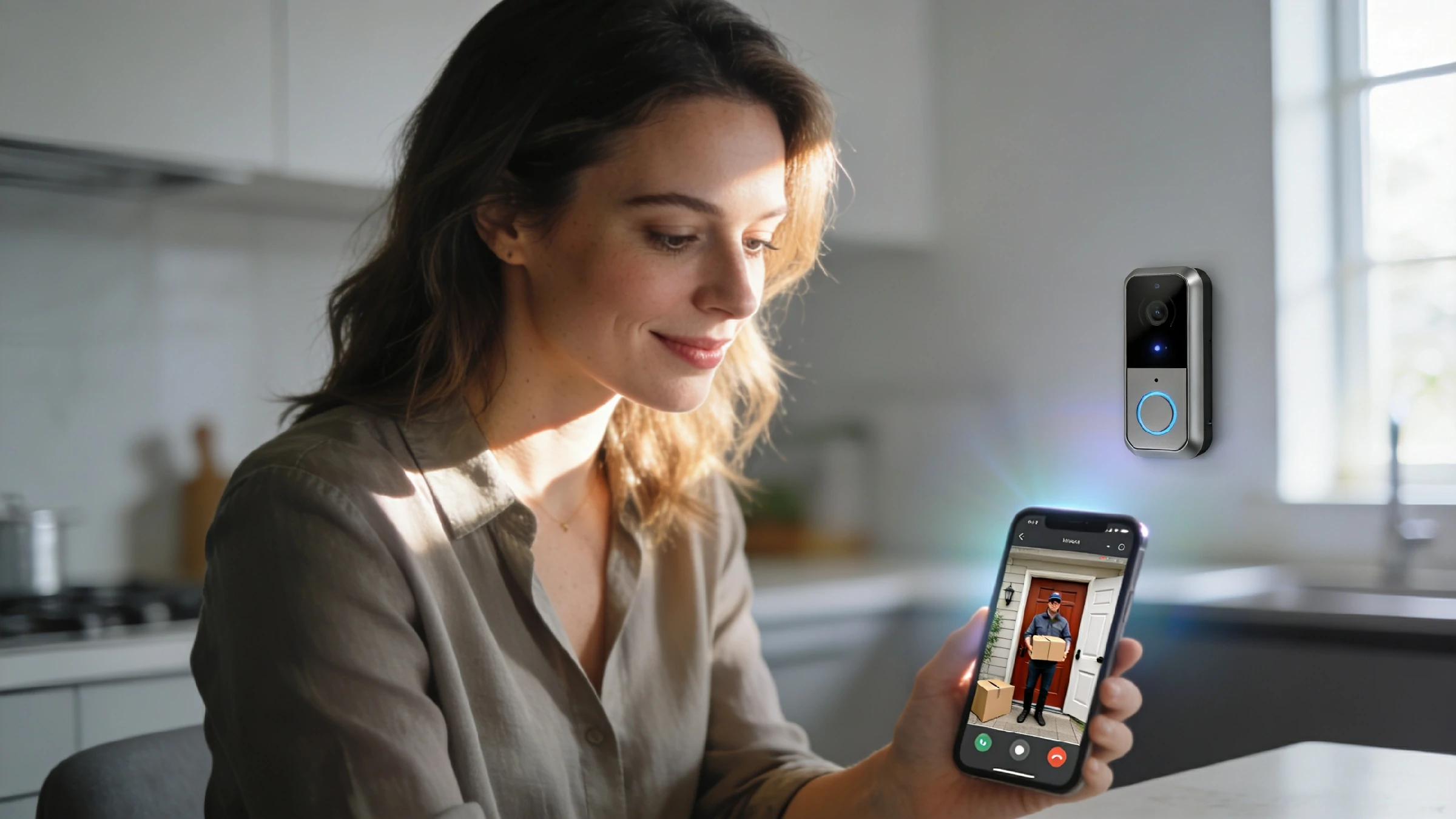
The smart home landscape has evolved dramatically. You no longer need to sign a multi-year contract with a traditional security provider to get remote monitoring, intelligent alerts, and real-time video streaming.
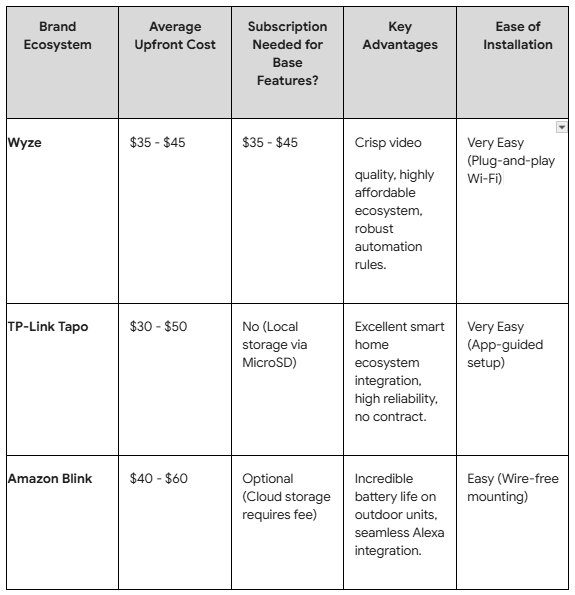
Install Affordable Wi-Fi Cameras and Video Doorbells (Cost: $35 - $60)
You don’t need a sprawling, wired multi-camera network to deter a burglar. A single standalone video doorbell or an strategically placed outdoor Wi-Fi camera acts as a massive psychological deterrent. Burglars look for paths of least resistance, and visible lenses mean a high risk of identification.
Modern budget-friendly cameras provide crisp HD resolution, reliable motion tracking, and instant smartphone notifications. Positioning a camera at your primary entrance helps eliminate front-door package theft and prevents bad actors from casually scoping your property.
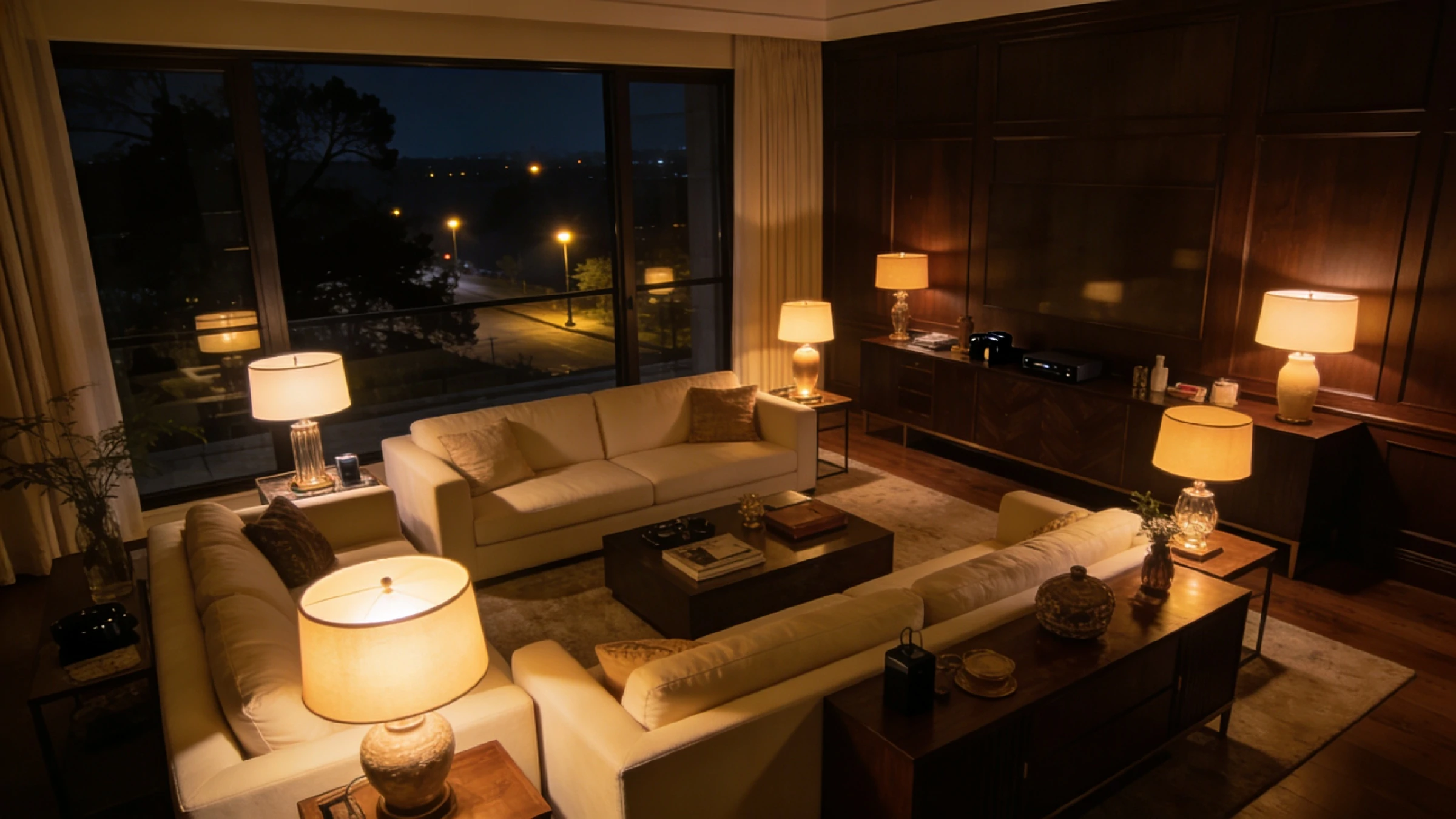
Simulate Occupancy with Smart Plugs & Bulbs (Cost: $15 - $30)
An empty home is a primary target. Traditional mechanical light timers turn lamps on and off at the exact same minute every single day, a pattern that savvy burglars easily spot during a stakeout.
Modern smart plugs and bulbs offer a sophisticated fix through localized “Away Modes.” This automation routine randomizes your lighting schedule, turning lamps, radios, or televisions on and off in a pattern that convincingly mimics real human activity inside the house.
Add Standalone Door and Window Sensors (Cost: $20 - $40)
If you want to secure an apartment or keep your costs strictly contained, standalone magnetic contact sensors are incredibly effective low-cost burglar deterrents. These battery-powered units stick directly to your doors and windows using double-sided adhesive.
When the magnetic connection is broken while the system is armed, the unit emits a piercing 120-decibel local alarm. These standalone sensors don’t require internet connectivity, hubs, or recurring subscription fees, making them ideal for budget-conscious renters and homeowners alike.
Top Budget Smart Security Devices (2026 Comparison)
Exterior & Landscape Adjustments (Zero to Low Cost)
Securing your home shouldn’t stop at your front door. Hardening your property’s perimeter makes your home fundamentally unattractive to potential intruders before they even get close to a window.
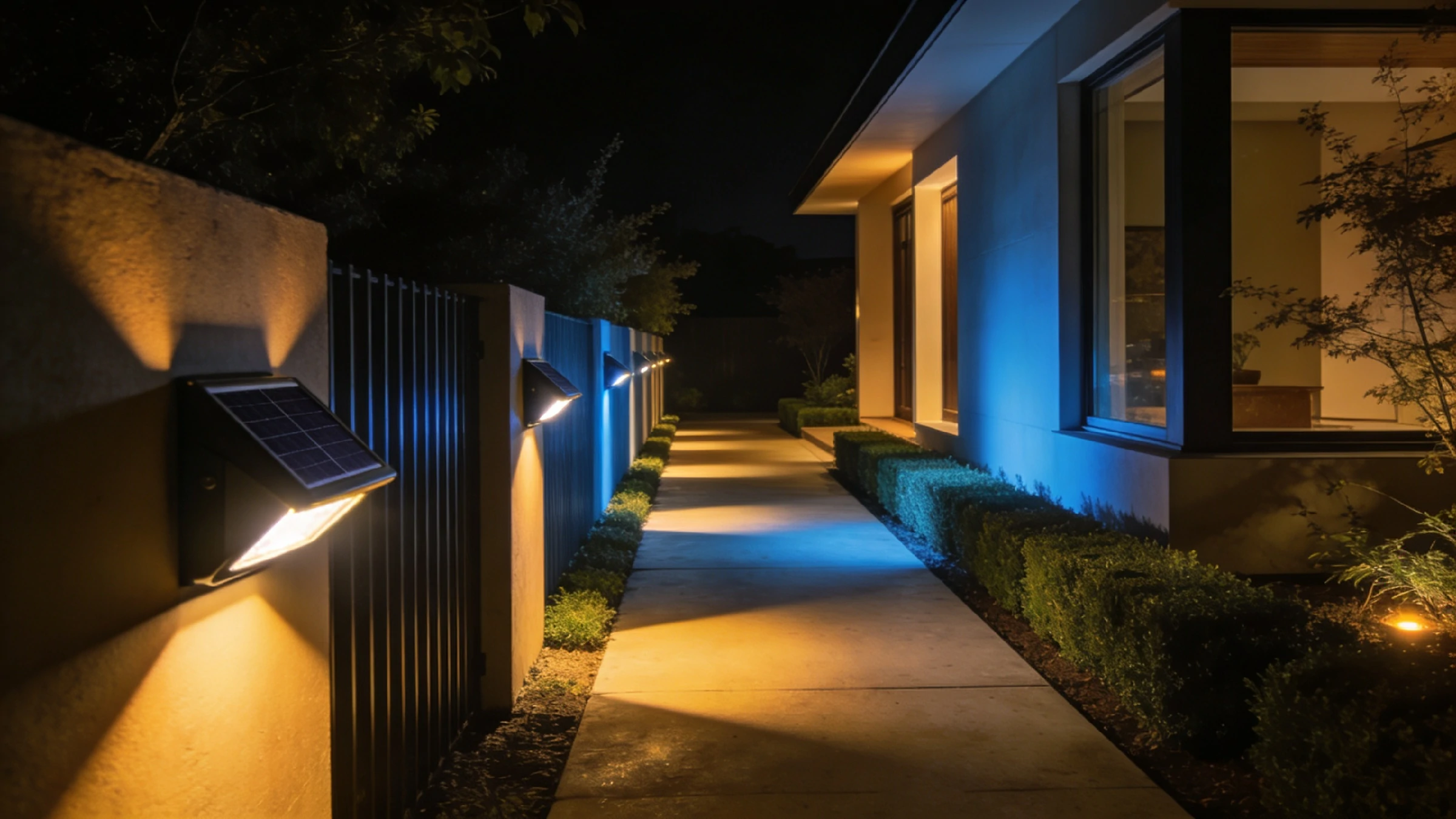
Install Motion-Activated Solar Lighting (Cost: $20 - $40)
Burglars thrive in the shadows. Dark pathways, side alleys, and obscured back patios provide the perfect cover for a forced entry attempt.
Fortunately, you don’t need to hire an electrician to run expensive exterior wiring. Modern solar-powered motion-sensor lights can be mounted to fences, gutters, or siding using a couple of basic screws. They charge throughout the day and instantly flood dark corners with bright LED light the moment movement is detected.
Follow the “3-Foot/6-Foot” Landscaping Rule (Cost: Free / Sweat Equity)
Overgrown landscaping is a gift to a prowler. Dense bushes right next to your home provide an excellent place to hide while working to pry open a window.
**Expert Insight: **“Security and law enforcement professionals universally recommend adhering to the 3-foot/6-foot landscaping rule. Keep all foundation shrubs trimmed down below 3 feet in height, and ensure your lower tree canopies are pruned up above 6 feet from the ground. This preserves clear lines of sight from the street and completely eliminates potential hiding spots near your entry points.”
Display Security Signs and Decals (Cost: < $15)
The psychological aspect of home defense is incredibly powerful. Even if your home doesn’t feature an enterprise-grade alarm system, a burglar cannot verify what is happening behind closed doors.
Placing prominent yard signs and window decals near your main entryways indicating that the home is protected by a security network forces an intruder to second-guess the target. It is a highly effective, low-cost investment that relies entirely on a psychological barrier.
Behavioral Security: Habits That Cost Nothing
Some of the most critical security vulnerabilities have nothing to do with hardware or technology. They stem from simple day-to-day habits that inadvertently invite risk.
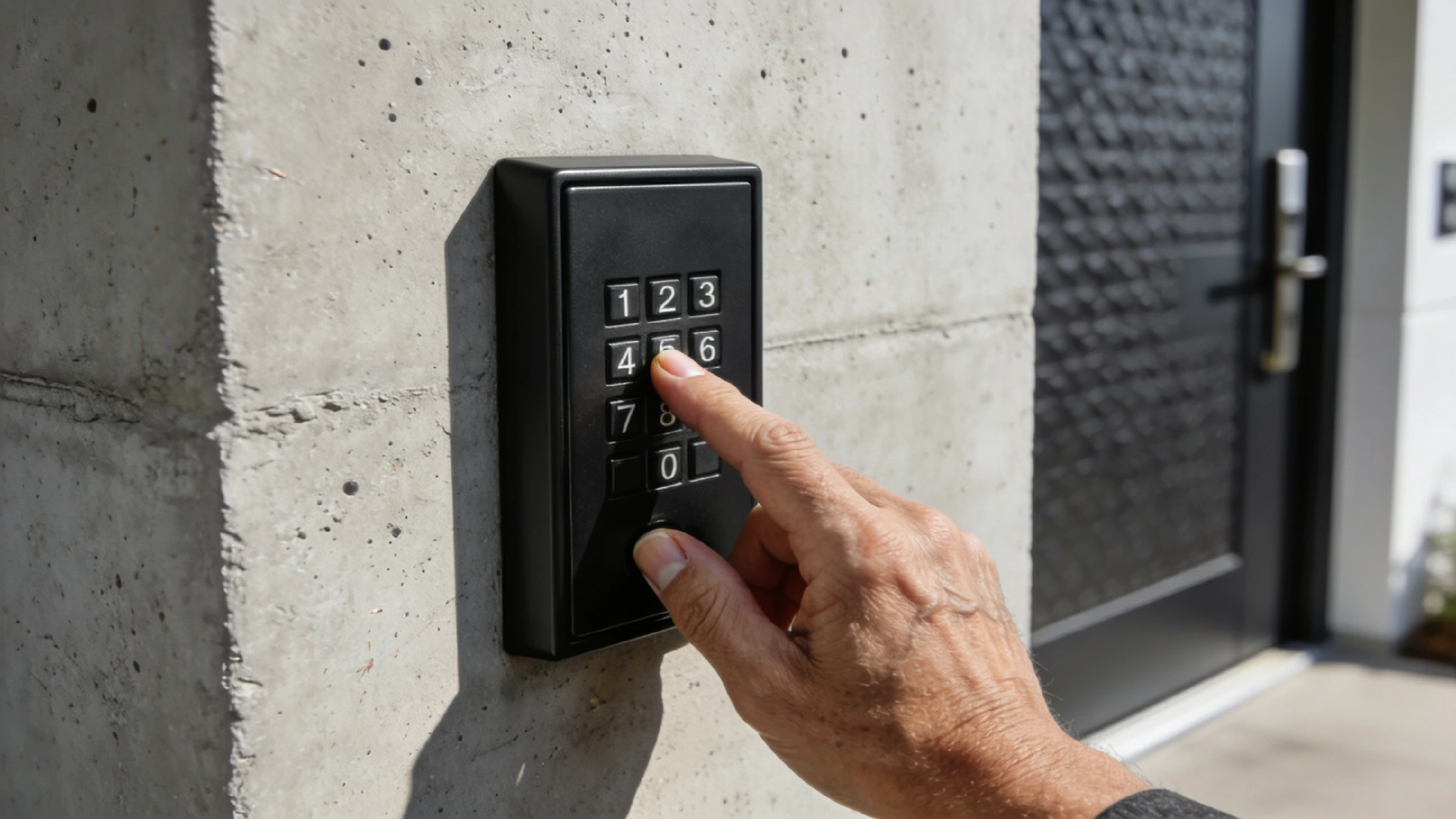
Never Hide Spare Keys Outside
The classic “hide-a-key” locations are common knowledge to anyone looking to gain unauthorized entry to your property.
⚠️ Common Mistake to Avoid
Placing a spare key underneath a doormat, inside a plastic fake rock, or on top of a door frame makes your home incredibly easy to infiltrate. Burglars check these exact locations first. Instead, invest a small amount into a heavy-duty mechanical lockbox mounted in an inconspicuous location, or simply leave a spare key with a trusted neighbor.
Delay Your Vacation Social Media Posts
It can be incredibly tempting to share real-time photos of your beach vacation or family holiday. However, broadcasting your location to social media networks serves as a public announcement that your house is completely vacant.
Train your household to wait until you have returned home to post your travel galleries. Additionally, review your privacy settings regularly to ensure your posts aren’t visible to the general public or indexable by search tools.
Protect Your PII (Personally Identifiable Information)
Home security isn’t just about protecting your television or jewelry; it’s about safeguarding your identity. Many burglaries start as simple daytime property scouting where individuals look through unsecured curbside recycling bins or mailboxes.
Shred all documents containing personal data, financial account numbers, or utility details before throwing them away. Keep your sensitive physical financial records inside a locked filing cabinet within the home.
Your Budget Security Action Plan
Building a secure home environment doesn’t have to happen all at once. Use this tiered action plan to scale your home defense measures based on your current budget constraints.
[Level 1: Under $20] --------> [Level 2: Under $75] --------> [Level 3: Under $150]
- 3-Inch Strike Screws - Smart Plugs for Lights - Budget Video Doorbell
- Window Security Pins - Solar Motion Lights - Standalone Indoor Camera
- Landscape Pruning - Contact Entry Alarms - Heavy-Duty Deadbolts
Tiered Security Implementation Matrix
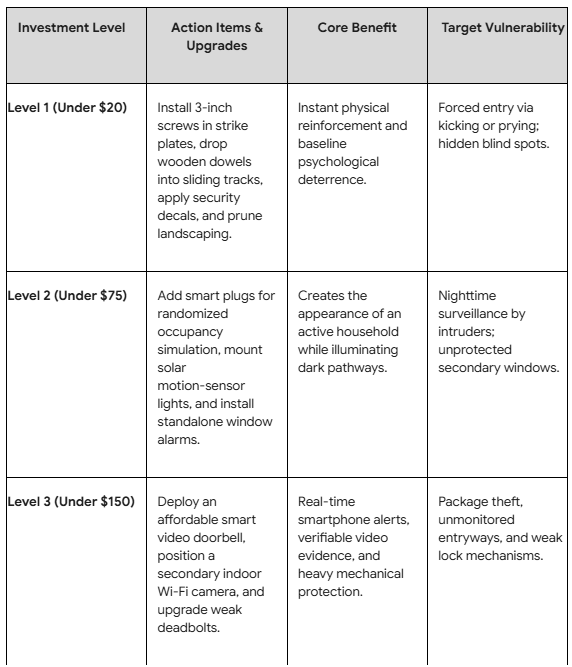
Effective home protection isn’t about buying a single expensive piece of equipment. It is about Effective home protection isn’t about buying a single expensive piece of equipment. It is about implementing layers of deterrence. A burglar actively looks for the path of least resistance. By applying these budget home security ideas, you turn your home into an unpredictable, high-effort target that opportunistic criminals will gladly skip past.
Frequently Asked Questions
Are fake security cameras effective at preventing break-ins?
Fake security cameras offer a minor psychological deterrent against casual opportunists, but experienced burglars can easily spot them. Fake units often lack realistic wiring, have blinking red lights that real cameras do not use, or feature cheap plastic finishes. Investing a tiny bit more into a real, low-cost Wi-Fi camera provides actual utility and genuine security.
What is the most common entry point for a burglar?
Statistically, the front door is the most common entry point, followed closely by first-floor windows and back patio doors. Because these areas are used most frequently by the household, they are also the most likely to accidentally be left unlocked or unreinforced.
Does leaving a porch light on at night deter burglars?
Leaving a porch light on continuously can actually backfire. A light that stays illuminated 24/7 during daylight hours signals to observers that the homeowners are away on vacation. Using motion-activated lighting or utilizing smart bulbs that cycle on and off dynamically is a vastly more effective deterrent.
Can I secure my home without paying a monthly subscription?
Absolutely. You can easily secure a house or apartment without recurring monthly fees by prioritizing physical entry-point reinforcements, using standalone high-decibel magnetic window alarms, and opting for smart security cameras that support local storage via onboard MicroSD cards.
Related Reading:
.webp)
.webp)
.webp)
.webp)
 (1).webp)